
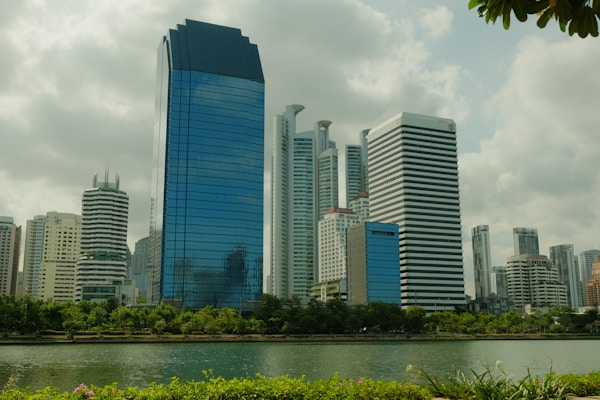
Explore how regional trade and collaboration drive sustainable business opportunities and investment. The North-Eastern Region (NER) of India, including Arunachal Pradesh, Assam, Manipur, Meghalaya, Mizoram, Nagaland, Tripura, and Sikkim, serves as a strategic bridge to Southeast Asia. Since the 1990s, India’s ‘Look East’ and ‘Act East’ policies have boosted trade with ASEAN, Bangladesh, Bhutan, and Nepal, though challenges like connectivity and logistics persist. NER, with its 8% annual growth and resources like oil, gas, and organic produce, holds untapped potential, with only 5% of India’s East/Southeast Asia trade originating here. This session will highlight trade synergies and strategies to overcome barriers.
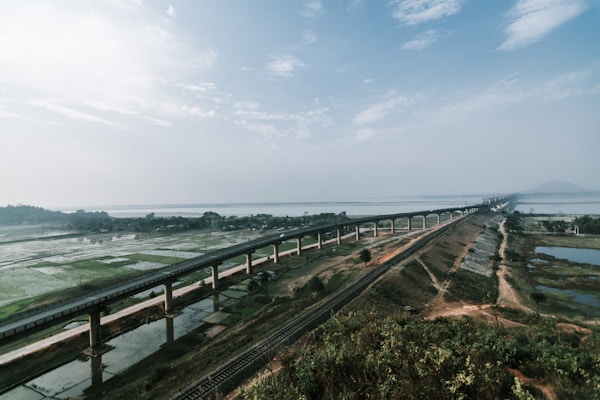
Discover infrastructure and digital networks improving mobility and access for enterprises. Multimodal connectivity—roads, airways, waterways, and energy—enhances trade under the ‘Act East Policy.’ Projects like the Trilateral Highway and Kaladan Multimodal Transit Transport Project link NER to Myanmar and Bangladesh. The Eastern Waterways Connectivity Transport Grid and GatiShakti National Master Plan aim to boost trade efficiency. Financing through Public-Private Partnerships (PPP) and innovative models like Hybrid Annuity Model (HAM) will be explored to unlock private sector participation.


See how shared traditions and language foster regional cooperation and understanding. NER and Southeast Asia share profound cultural ties, rooted in Buddhism and the Ramayana, with local adaptations like the Khamti Ramayana. Languages, influenced by migrations, connect with Tai languages in Thailand. Initiatives under the ‘Act East Policy’ and Mekong-Ganga Cooperation nurture these bonds, though awareness and infrastructure gaps remain. This session will emphasize cultural heritage’s role in tourism and economic growth.



Subscribe for updates on summit highlights, key outcomes, and opportunities to engage with leaders in economic, connectivity, and cultural collaboration.
